
Designing an Effective Mystery Shopping Pilot Program | Confero
Some organizations choose to begin anonymously to establish a true operational baseline before employees know measurement is occurring. Want to test the waters before entering into a full-scale customer experience measurement program? A mystery shop pilot lets you do this.
Prior to beginning an operational assessment program narrow down what your team wants to accomplish and determine what employee behaviors and frontline performance you want to measure with a pilot.
Sharing Seven Key Insights for Designing a Mystery Shopping Pilot Program –
Results of a pilot program give your management team an opportunity to consider survey questions, expected outcomes and potential communication about the program with employees.
Here are 7 Considerations for a Pilot Mystery Shopping Study:
Employee Training:
You will measure employee success in exhibiting certain behaviors. So think about what your company has trained employees to do.
If your company has not trained employees to, for example, shake hands when they meet a new customer, and that is an important goal for your company’s customer service delivery, then another important step will need to be added to your pilot process. Employees will need to know the behavior expected and exactly how to do it.
Define Things Well:
Many terms used in customer service are not truly interchangeable. The words “friendly” and “courteous” are not the same thing. When descriptive words are used within the program, determine what those words mean for the program. This helps both employees and mystery shoppers clearly understand the standard. For example, if you’re focusing on a friendly greeting, you may need to define this with specific behaviors such as smiling and making eye contact.
Communicate or Not to Communicate?
Think about whether you will communicate your pilot customer experience measurement program to your front line staff or keep it anonymous.
If you keep it anonymous, you benchmark what employees do without knowing that a measurement program is in place. This provides good data for tracking your progress when your program rolls out to the entire footprint.
Before you roll out the program after the pilot, prepare employees so that they know mystery shoppers will be visiting. This creates a renewed focus on company expectations.
Include All Types of Locations:
Take into account conducting shops randomly across your footprint during the pilot.
It may be tempting to test within a defined area, such as one region. If this approach is taken, make sure that one region contains all types of location configurations and any potential one-offs.
If your company operates with freestanding units, in-lines, on military bases, in institutional settings, in limited service settings or within airports, make sure that selected test region has units meeting those criteria. An alternative choice is to conduct pilot shops randomly across the footprint, to include all unit configuration types.
Testing in all unit types allows your company to get a feel for results in all venues and circumstances.
How to Weight Your Location Types:
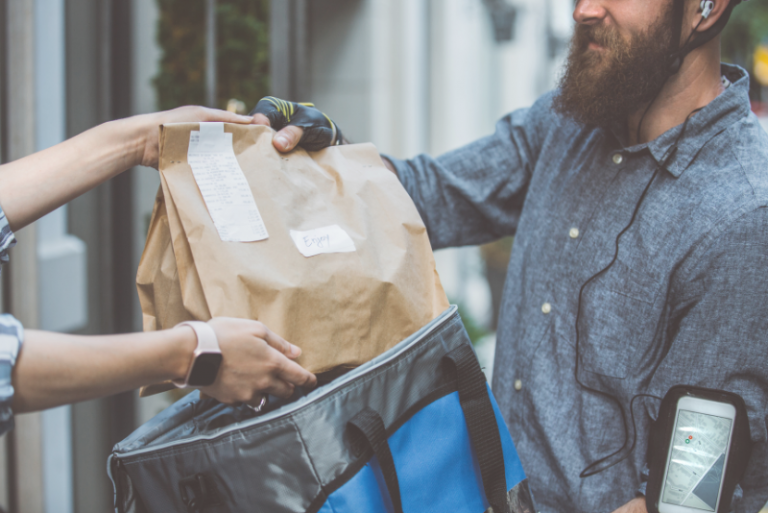
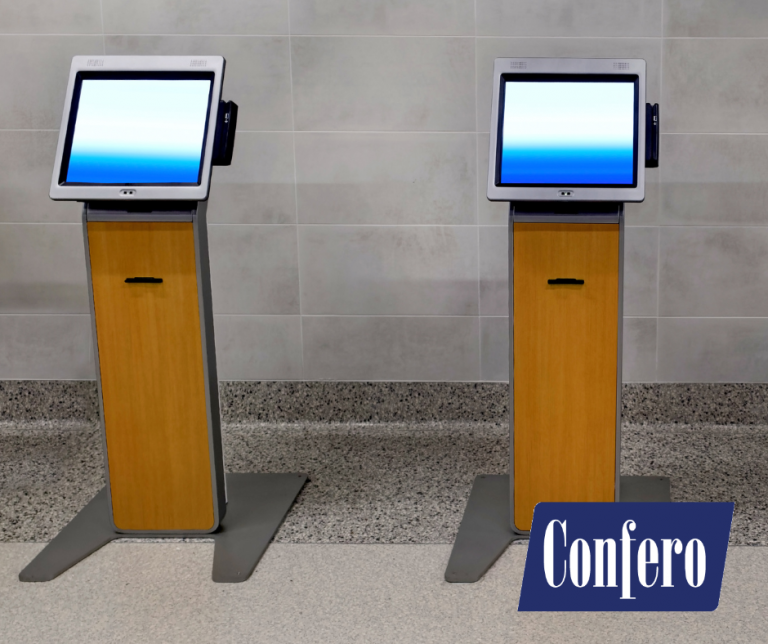
If your locations operate across multiple service channels — such as drive thru, dine in, curbside pickup, kiosks, or mobile ordering — consider how each customer interaction should be evaluated.
When determining the mix of drive thru vs. walk in, consider the amount of business that comes from each area. If more customers use your drive thru more often than coming inside, you’ll want to weight the mix more heavily toward drive thru in your pilot.
Timing:
What are the different times during the day that your company would like to measure service levels and/or sales efforts? Busy or slow? Early in the day or late at night? A sampling of different times?
Plan for Change:
When you see the pilot results, make adjustments to the program.
The shopper questionnaire, the standards and the approach may all need to be adjusted to set the program on the right course. After the program is launched across the footprint, be prepared to make adjustment periodically.
Typically, your company’s standards, competitive circumstances and customer expectations change with increased insight.
Moving from Pilot Program to Operational Insight
Today’s customer journeys often move across multiple touchpoints before a purchase is completed. A pilot program can help organizations determine whether service standards remain consistent across in-person, digital, mobile, and pickup experiences.
These seven insights for designing an operational assessment program pilot program are just a few factors to consider. These considerations help organizations build more effective pilot programs that generate meaningful operational insight before broader rollout.
Well-designed pilot programs help organizations build scalable mystery shopping initiatives. These programs help organizations uncover operational gaps, support operational action plans, and improve customer experience consistency across the entire company footprint.
When you begin an effective evaluation program program, Confero’s team works with businesses to create and to manage mystery shopping programs. Please feel free to reach out to start a conversation about building a customer audit program for your business.
Curious of what a custom tailored Confero customer experience measurement program can provide? Read more on Confero’s Client Insights page .